

Image Effect
Login Sign Up
  • Book a Stay
  • Book a Tour
  • My Wishlist
  • About Us
  • FAQ’s
Add place
Explore Banaras
  • Shop
  • Book a Stay
  • Book a Tour
Login Sign Up
Add place

Tips & Tricks

Dev Deepawali in Varanasi 2025: A Guide to the Festival of a Million Lights
  • Tips & Tricks

Dev Deepawali in Varanasi 2025: A Guide to the Festival of a Million Lights

by Vaibhav Pandey
November 2, 2025
0 Comments

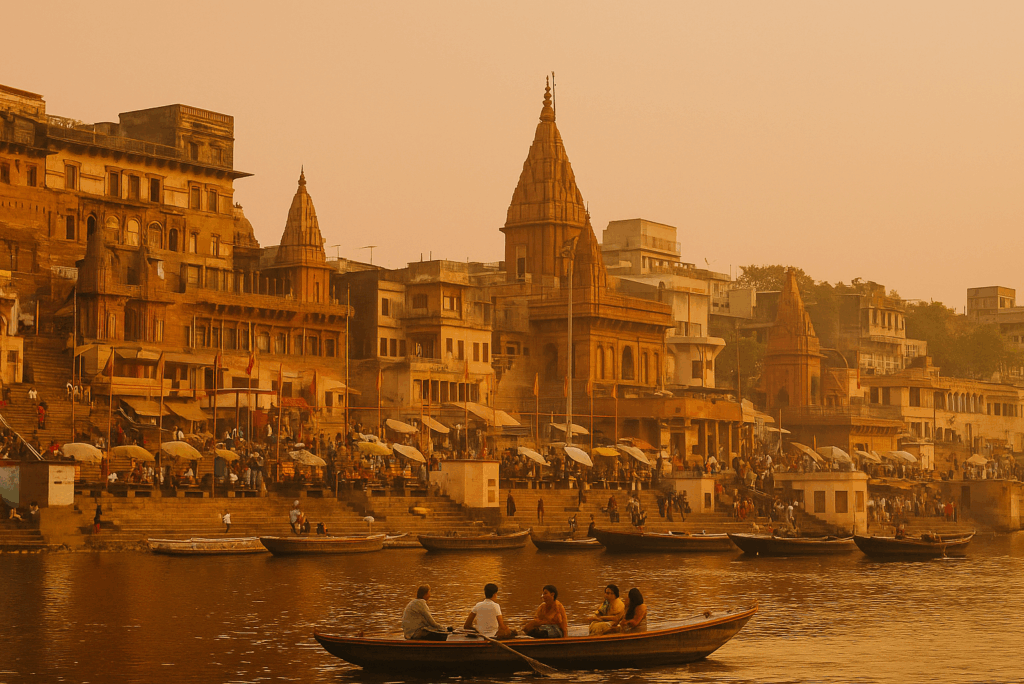
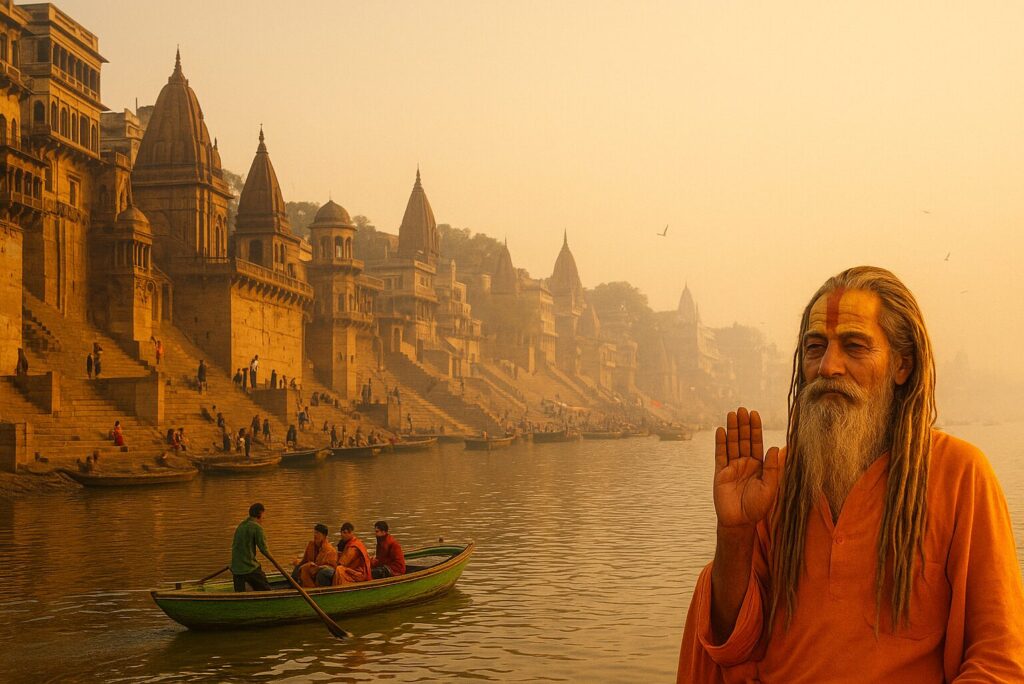
Planning your trip to Varanasi for Dev Deepawali 2025? This comprehensive blog post is your ultimate companion. Learn the best times to visit the ghats, understand the event schedule including the Kashi Ganga Mahotsav and laser shows, and get crucial advice on boat rides and practicalities for an unforgettable spiritual journey
Read More
A Complete Guide to Exploring Sarnath
  • Tips & Tricks

A Complete Guide to Exploring Sarnath

by Vaibhav Pandey
July 5, 2025
0 Comments

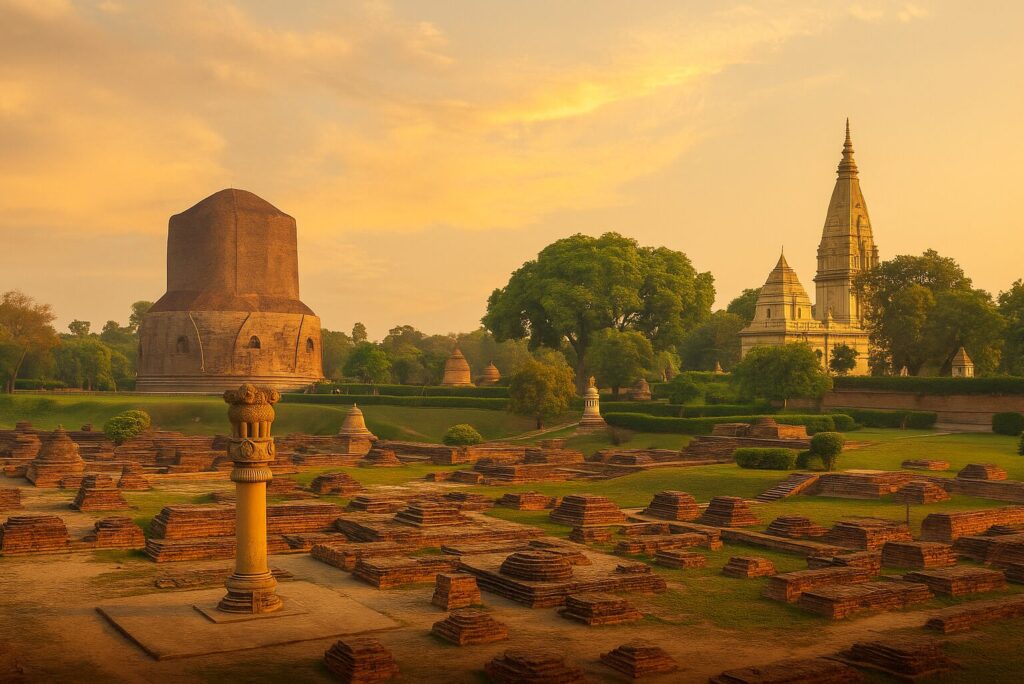
Sarnath, located just 10 km from the heart of Varanasi, is one of the four holiest Buddhist sites in the world. It is where Lord Buddha delivered his first sermon after enlightenment, turning the Wheel of Dharma. Whether you are a pilgrim, history buff, or cultural explorer, Sarnath is a tranquil and enriching destination, perfect […]

Read More
Varanasi Photography Guide: Capturing Banaras the right way
  • Tips & Tricks

Varanasi Photography Guide: Capturing Banaras the right way

by Vaibhav Pandey
June 18, 2025
0 Comments

Step into the soul of Varanasi with your camera in hand. This ultimate photography guide takes you through Banaras’ most photogenic locations — from sunrise at Assi Ghat to the glow of Ganga Aarti — with expert tips on portraits, rituals, gear, ethical shooting, and self-guided trails. Whether you're a street photographer, portrait artist, or curious traveler, capture the timeless magic of India's spiritual capital like never before.

Read More
Hidden Gems of Varanasi You Won’t Find in Guidebooks
  • Tips & Tricks

Hidden Gems of Varanasi You Won’t Find in Guidebooks

by Vaibhav Pandey
May 26, 2025
0 Comments

There is a Varanasi you’ll find in maps — and then there’s the one that finds you. Away from the crowds and camera flashes lies the soul of this eternal city — in its unexplored ghats, forgotten havelis, mystical ashrams, and whispered rituals. Here’s a collection of trails and places — hidden gems of Varanasi. […]

Read More
One Day in Varanasi? Here’s What You Must Not Miss
  • Tips & Tricks

One Day in Varanasi? Here’s What You Must Not Miss

by Vaibhav Pandey
May 25, 2025
0 Comments

Only one day in Varanasi? Discover the perfect way to explore its temples, ghats, boat rides, food, and rituals—whether you arrive in the afternoon or stay overnight.

Read More
Top 15 Must-Visit Places in Varanasi for First-Time Visitors
  • Tips & Tricks

Top 15 Must-Visit Places in Varanasi for First-Time Visitors

by Vaibhav Pandey
May 25, 2025
0 Comments

Discover the top 15 must-visit places in Varanasi—from sacred ghats and temples to hidden cultural gems. Create your perfect Banaras itinerary with our local guide.

Read More
How to Identify a Real Banarasi Saree vs. a Fake One:
  • Tips & Tricks

How to Identify a Real Banarasi Saree vs. a Fake One:

by Vaibhav Pandey
May 20, 2025
0 Comments
Read More
Darshan Done Right: A Devotee’s Guide to Kashi Vishwanath Temple
  • Tips & Tricks

Darshan Done Right: A Devotee’s Guide to Kashi Vishwanath Temple

by Vaibhav Pandey
May 4, 2025
0 Comments

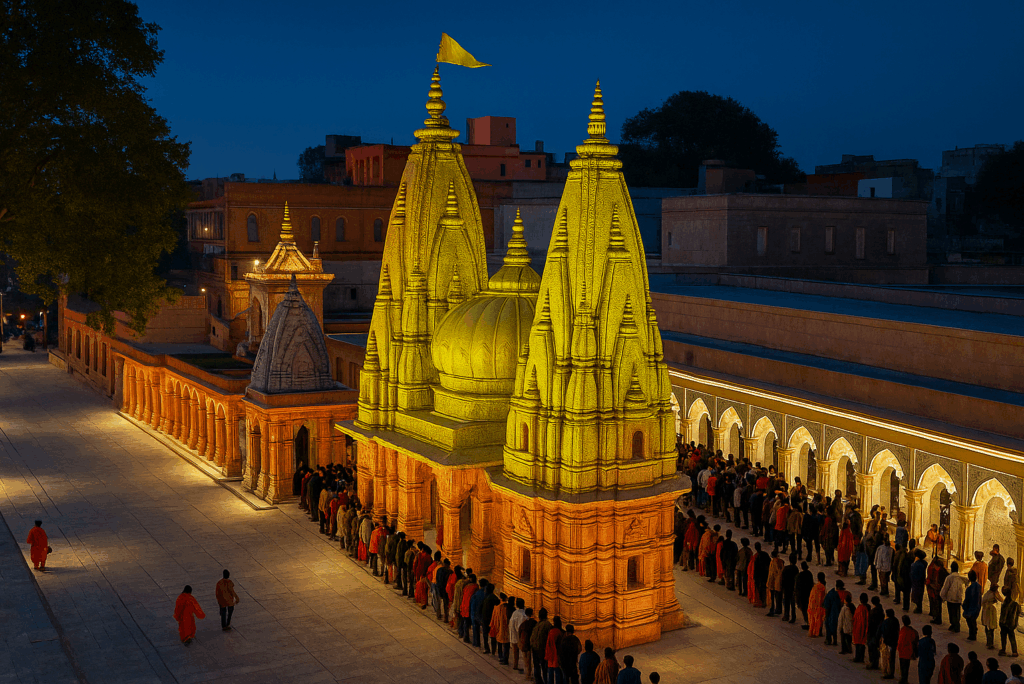
To ensure a spiritually enriching and seamless experience during your visit to the revered Kashi Vishwanath Temple in Varanasi, it’s essential to be well-informed about the temple’s rituals, timings, entry procedures, and available facilities.Here’s a comprehensive guide based on the official information provided by the temple authorities: Temple Basics Darshan & Rituals Temple Timings & Aarti Schedule […]

Read More

Categories

  • Cultural & Heritage (1)
  • Food Trail (1)
  • Reflections (6)
  • Spiritual (2)
  • Tips & Tricks (8)
  • Tour (1)

Top Article

Darshan Done Right: A Devotee’s Guide to Kashi Vishwanath Temple
  • Tips & Tricks

Dev Deepawali in Varanasi 2025: A Guide to the Festival of a Million Lights

Darshan Done Right: A Devotee’s Guide to Kashi Vishwanath Temple
  • Tips & Tricks

A Complete Guide to Exploring Sarnath

Darshan Done Right: A Devotee’s Guide to Kashi Vishwanath Temple
  • Cultural & Heritage

1-Day Cultural & Heritage Explorer

Darshan Done Right: A Devotee’s Guide to Kashi Vishwanath Temple
  • Tips & Tricks

Varanasi Photography Guide: Capturing Banaras the right way

We love sharing the magic of our city with travellers. And nothing captures the essence of Banaras like the timeless Banarasi saree. A heirloom passed down through generations, it is a symbol of unparalleled craftsmanship.

However, its immense popularity has also led to a market flooded with machine-made imitations. In this beginner-friendly guide, we’ll walk you through everything you need to know to spot a real Banarasi saree. Whether you’re a first-time buyer or a curious tourist, consider this your trusted local companion. Let’s ensure you take home an authentic piece of Banaras!

What Makes Banarasi Sarees Special?

Banarasi sarees represent over 400 years of weaving excellence from the holy city of Varanasi (Banaras) and a few surrounding districts, these sarees were granted the Geographical Indication (GI) tag in 2009. This tag legally protects their origin and authenticity. These aren’t just garments – they’re wearable art pieces that showcase:

  1. Intricate handloom craftsmanship passed down through generations
  2. Pure silk threads combined with precious zari work
  3. Mughal-inspired motifs featuring architectural patterns, hunting scenes, and floral designs
  4. Traditional weaving techniques that can take weeks or months to complete

Weaving Techniques

The weaving process itself holds the first clues to a saree’s authenticity.


  • Kadwa (Kadhua) Weave – The premium choice for pure silk Banarasi sarees.
    It sometimes requires two skilled weavers: one handles the design, the other inserts threads by hand. This takes 1–2 months per saree and can only be done on traditional handlooms.


  • Fekwa / Cutwork – Often imitated by machines A traditional technique in its own right, but commonly copied on powerlooms.
    Identification: Loose floats and cut threads on the reverse. Easier for machines to replicate, so inspect carefully for other authenticity signs.


Styles (woven in Kadwa or Fekwa)

  • Jaal/Jangla: All-over creepers and florals (Kadwa versions are more premium).
  • Minakari: Added coloured resham details inside motifs.
  • Butidar/Booti: Small, repeated motifs across the body.
  • Shikargah: Figurative, hunting-scene inspired designs.


Fabric Types in Banarasi Sarees

Fabric Type Composition (Warp & Weft) Key Characteristics
Pure Silk (Katan) Silk Warp + Silk Weft The most authentic, traditional, and expensive. It is soft, strong, and luxurious.
Kora/Organza Silk Silk Warp + Silk Weft A crisp, sheer, and lightweight fabric, often used for elegant sarees with zari work.
Georgette Banarasi Silk/Viscose Yarn A light, flowy, and contemporary fabric known for its beautiful drape.
Tissue Banarasi Silk Warp + Zari Weft Creates a golden, metallic sheen throughout the fabric. It is firm and has a beautiful fall.
Semi-Silk / Art Silk Silk Warp + Polyester/Viscose Weft A budget-friendly option, but it is not pure silk and lacks the same lustre and feel.
Artificial “Banarasi” Polyester Warp + Polyester Weft These are machine-made imitations, not real Banarasi sarees. They are very cheap.

Key Tests to Identify an Authentic Banarasi Saree

Here are practical, easy-to-follow tests to check if your saree is a genuine handloom product.


1. Pinholes on the borders (selvage)

  • Handloom: Tiny pinholes on both sides from pegging the fabric on the loom; slight waviness and softer edges.
  • Powerloom: No pinholes; edges look very straight, stiff, and laser-precise.

2. Direction of zari weaving

  • Handloom: Zari is inserted across the width (horizontal).
  • Machine-made: Zari typically runs lengthwise (vertical) in motifs.

3. Back-side logic and finish

  • Handloom: Reverse is not identical to the front; you’ll see weaving logic, minor uneven floats, and natural tension variations.
  • Machine-made: Reverse often mirrors the front with perfect repetition and uniform spacing.

4. Pallu and border joinery

  • Handloom: Manual interlocking between body and pallu; slightly visible artisan join.
  • Machine: Seamless, perfectly linear joints.

5. Overall “perfection”

  • Authentic handloom shows tiny irregularities; machines look overly perfect and mechanical.

Tests to Identify Pure Silk vs Artificial Fabric

1. Burn test (do carefully)

  • Pure silk: Smells like burnt hair; leaves soft, powdery ash; does not melt.
  • Synthetic: Smells like burning plastic; melts into a hard bead; emits black smoke.

2. Weight test

  • Pure silk has a natural heft; synthetics often feel unusually light for the volume.

3. Touch/feel test

  • Pure silk: Soft, smooth, luxurious glide.
  • Synthetic: Slightly stiff or plastic-like.

4. Sound test (swoosh)

  • Pure silk: Soft, dignified rustle.
  • Synthetic: Sharper, plasticky sound.

5. Zari Sheen 

  • Real zari has a soft, muted sheen. Fake zari is often too shiny, glittery, and lightweight.
  • Real zari may also tarnish to a blackish tone over time due to its silver content.


Tip: Use these with other checks; do not rely on a single test.


A Word on Motifs & Designs

Authentic Banarasi motifs are inspired by Mughal art and nature.

  • Real Motifs: Look for classic patterns like Kalga (paisley), Bel (creeping vine), Jaal (a web-like pattern), and Shikargah (hunting scenes). While intricate, they will have the slight unevenness of handiwork.

  • Fake Motifs: Often appear flat, overly perfect, and unnaturally large or symmetrical.

Price: A Key Indicator of Authenticity

While prices can vary, a genuine handloom Banarasi saree requires immense labour and expensive materials. If a deal seems too good to be true, it probably is.

Type Price Range (INR) Notes
Pure Katan Silk Kadwa ₹15,000 – ₹1,50,000+ Suspicious if below ₹8,000.
Pure Kora/Organza with Kadwa Jaal ₹12,000 – ₹40,000+ High-end handloom.
Semi-Silk / Art Silk Mix ₹3,000 – ₹8,000 Affordable but not pure.
Polyester Fake “Banarasi-style” ₹1,000 – ₹2,000 Not authentic; avoid.


Bringing home a real Banarasi saree is like taking a piece of Varanasi’s living heritage with you. It supports the skilled artisans who have kept this craft alive for generations. Use this guide as your key to unlocking the secrets of this beautiful art form.

When you know what to look for, you will not only identify an authentic Banarasi saree but also truly appreciate the love and labour woven into every thread. For the most authentic experience, consider visiting Varanasi’s traditional weaving clusters or buying from certified handloom cooperatives.


Your 11-Point Authenticity Checklist

Before purchasing any Banarasi saree, verify these points:

  1. Weaving technique (Kadwa vs Fekwa)
  2. GI label and provenance
  3. Back-side thread pattern (clean vs messy)
  4. Pinhole visibility on borders
  5. Zari thread direction (horizontal vs vertical)
  6. Fabric type (pure silk vs synthetic)
  7. Burn test results (hair smell vs plastic)
  8. Weight assessment (heavy vs lightweight)
  9. Touch and feel (luxurious vs artificial)
  10. Sound test (silk rustle vs plastic noise)
  11. Price comparison with workmanship quality

FAQs

Q. What is the easiest way to identify a real Banarasi saree?

Check for GI/provenance, handloom pinholes on the borders, widthwise zari insertion, and the reverse-side weaving logic. Combine with touch, weight, and price sense.


Q. Is Kadwa always better than Fekwa?

Kadwa is more labour-intensive and premium. Fekwa is also traditional, but more easily copied by machines—verify with other handloom markers.


Q. How do I check if the silk is pure?

Use burn, weight, feel, and sound tests carefully. When in doubt, ask for billing that clearly states “Pure Katan Silk” and buy from trusted sources.


Q. Does real zari tarnish?

Yes, silver-based real zari can dull or turn slightly blackish with time—this is a natural sign of authenticity.


Q. Are ₹1,500–₹2,000 sarees real Banarasi?

These are machine-made polyester imitations, not authentic Banarasi sarees.


Q. What documents should I ask for?

GI tag/QR when available, invoice with fabric and weave details, and weaver/brand information. Many reputable sellers provide loom photos or maker details.


Q. Can I identify a real Banarasi saree when buying online?

It’s challenging, but possible. Ask the seller for detailed pictures of the reverse side of the saree, the selvages (edges), and close-ups of the zari work. Buy only from reputable, trusted brands and weavers.


Q. Is a heavy saree always a real Banarasi?

While pure silk and real zari add weight, heaviness alone isn’t a guarantee. Some machine-made sarees use heavy artificial yarns to mimic the feel. Always use a combination of the tests mentioned above.


Q. Are all Banarasi sarees made of pure silk? 

Traditionally, yes, but today you can find authentic handloom Banarasi sarees in Georgette and Organza as well. The key is the handloom weaving, not just the material.


Q. How long should an authentic Banarasi saree last?

With proper care, a genuine handloom Banarasi saree can last decades and even become a family heirloom.


Log in Sign Up
Forgot your password? Reset password.

Sending login info,please wait...

Sending info,please wait...

Back to login

Sending register info,please wait...

Back to Registration
  • Assi Ghat
  • Banaras Hindu University
  • Dashashwamedh Ghat
  • Durgakund
  • Godowlia
  • Lanka
  • Thatheri Bazaar
  • Activity
  • Bakeries
  • Cafe
  • Homestay
  • Lassi Shop
  • Monument
  • Museum
  • Restaurants
  • Sight
  • Sweet Shop
  • Temple